8/16/2024
There's a desk in my bedroom. I do not know where it came from, but it has always been in my bedroom. More of my nights have been spent next to that desk than any mattress, stuffed animal, or lover. I can only believe that it must have come home from the hospital with me. It never have a chair though, and when I came time to do homework at home, I needed one.
There would be no better chair for this trusted desk the type I had sat in more than any other: a school chair. I've always been a bit of a beachcomber. However, this far inland my only beaches are flea markets, garage sales, and the occasional recycling bin. The dumpster at the school near my home has provided me with many useful items including the whiteboard on my wall and, to my point here, my desk chair. It's an old-style school chair with an open back and a hard plastic backrest. For comfort, I replaced the seat with one traced and cut from some spare plywood and upholstered some cushioning from an old pillowcase and synthetic down.
This is all to say that I love trash.
In my part of the world there is a traditional holiday known as Large Item Pick Up Day. It's a wonderful celebration of culture where you can take any two large items of your choice, leave them on the curb, and the municipality will haul them away free of charge. It’s a dream for beachcombers like me. I would like to insist that I am not the only one who observes this event with religious devotion. If you want to game the system, you'll put out your items a week early in the hope that someone will consider your trash to be their treasure and take it away themselves. In this case, you'll have the opportunity to set out A THIRD ITEM.
Walking around on Large Item Pick Up Day gives the sense that the community around me has a much different relationship to their possessions. They do not consider their malfunctioning barbeque to be an opportunity to learn about appliance maintenance. They see their broken dryer and look to Canadian Tire sales instead of parts sites.
Mattresses make up most of the items, actually. Like, way over half. I'm never touching those.
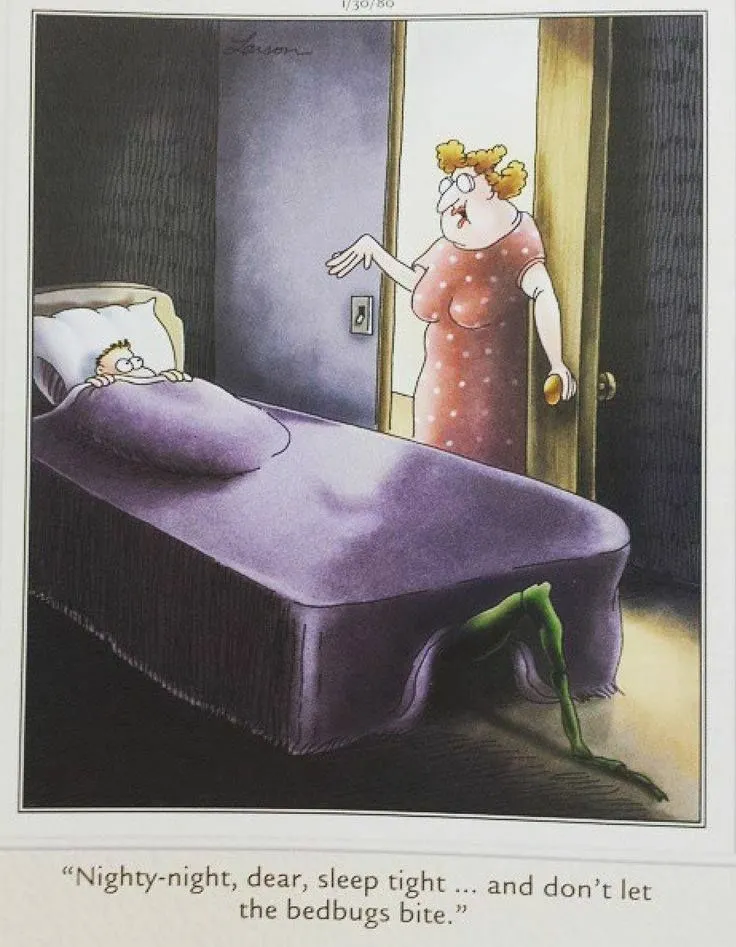
As for the broken furniture and appliances, they were presumably used and loved before they were given as tribute on roadside altars. Wouldn’t they still be in use if they were fully functional? If a nice young man came along and repaired these items free of charge, would they not be in use again? I endeavour to be an afilador of sorts; cruising through my neighbourhood to mend these large items so they can be loved again.
Join me in celebrating Large Item Pick-Up day when it comes around next June.
7/12/2024
I've always appreciated analog media. Not in a hipster way, though. I was into it… before it was cool. There's a small vinyl and tape collection under my bed containing mostly my favourite albums and nature sound recordings that I would study to in high school. I just love the idea that I can hold in my fingers the actual data that makes up the music. Instead of expanding upon this, I will kindly ask you to reference your most annoying friends.
My tape deck has a write head and can record from a 1/4" inch audio jack input. On cassettes, there's write protection that keeps you from accidentally recording over your prized tapes. Little holes on the cassette are detected using a lever arm. To record, I buy terrible cassettes from the thrift (they have triplicates of Kenny G albums) and I put a small piece of Scotch Tape over the hole. The deck can no longer feel for the hole, and I can write over that piercing clarinet.
Most of the time, my recordings consist of my own songs. Anytime I come up with a new song, I write over the old one. Something to do, I guess. One time, for a friend's birthday, I made them a bootleg copy of McGruff the Crime Dog's crime-fighting, drug-abstaining, 1986 album "Smart Kids".
The age of floppy disks is well before my time, but magnetic tape continues to be used for computer data storage. It was the format of choice for UNIVAC (the first general purpose computer) and continues as the method of choice for high-volume, long-term, data storage where the speed of access is not a concern. The ninth generation of the LTO Ultrium tape format can hold up to 18TB of data per cartridge. Having learned about this, I wanted to see if I could devise a means of storing an image in an audio cassette.
The age of home-phones is narrowly not before my time. Prior to cellphones with SMS capability being a mandatory possession for participation in society, there existed communication tools for the deaf that consisted of a teleprinter on either side of a phone line to allow the hearing impaired to communicate using text over regular phone lines. The devices transmit a Baudot code audio signal that sounds similar to a dial-up modem but does not function similarly. These teleprinters are still commercially available. Ultratec sells a model for $300USD. I have no connection to the deaf community, but I can't imagine there’s still much of a market anymore.
To store a digital file on a cassette tape, I converted a JPEG to base-64 code and used a teletype program called CallTTY to turn it into the Baudot code audio. Being too lazy to assemble or buy a male-male, 3.5mm-1/4" adapter, I found that the signal was clear enough that I didn't have to connect my laptop to the tape deck directly. I instead just draped a microphone over the screen to rest on the speaker.
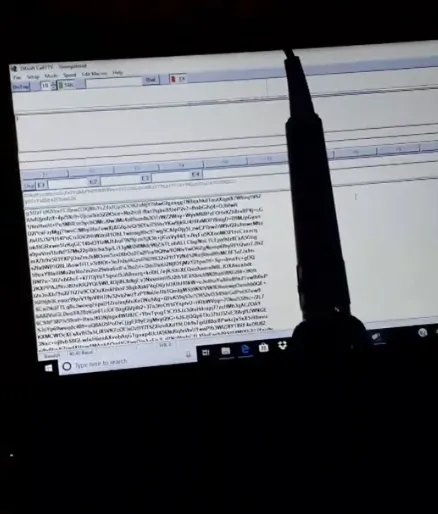
This project is from years ago, so I don't remember the finer details. I don't know how large the image file was, but I remember the file transfer took about eight minutes. I had to leave the room lest the blaring noise suck me into the Matrix or something. I would've rather listened to Kenny G.
I about the time it takes to hard boil an egg, I had a cassette tape containing the data for an image of my choice. When Samuel Morse sent his first telegraph in 1844, his message was the phrase "What hath god wrought?". Taken from the book of numbers, this message expressed optimism and wonder at the creation before him. What photo did I choose? This project was completed in 2018 so my image of choice was an ironic Damn Daniel meme. I do not stand by my actions and apologize for any distress caused by this recreation

6/20/2024
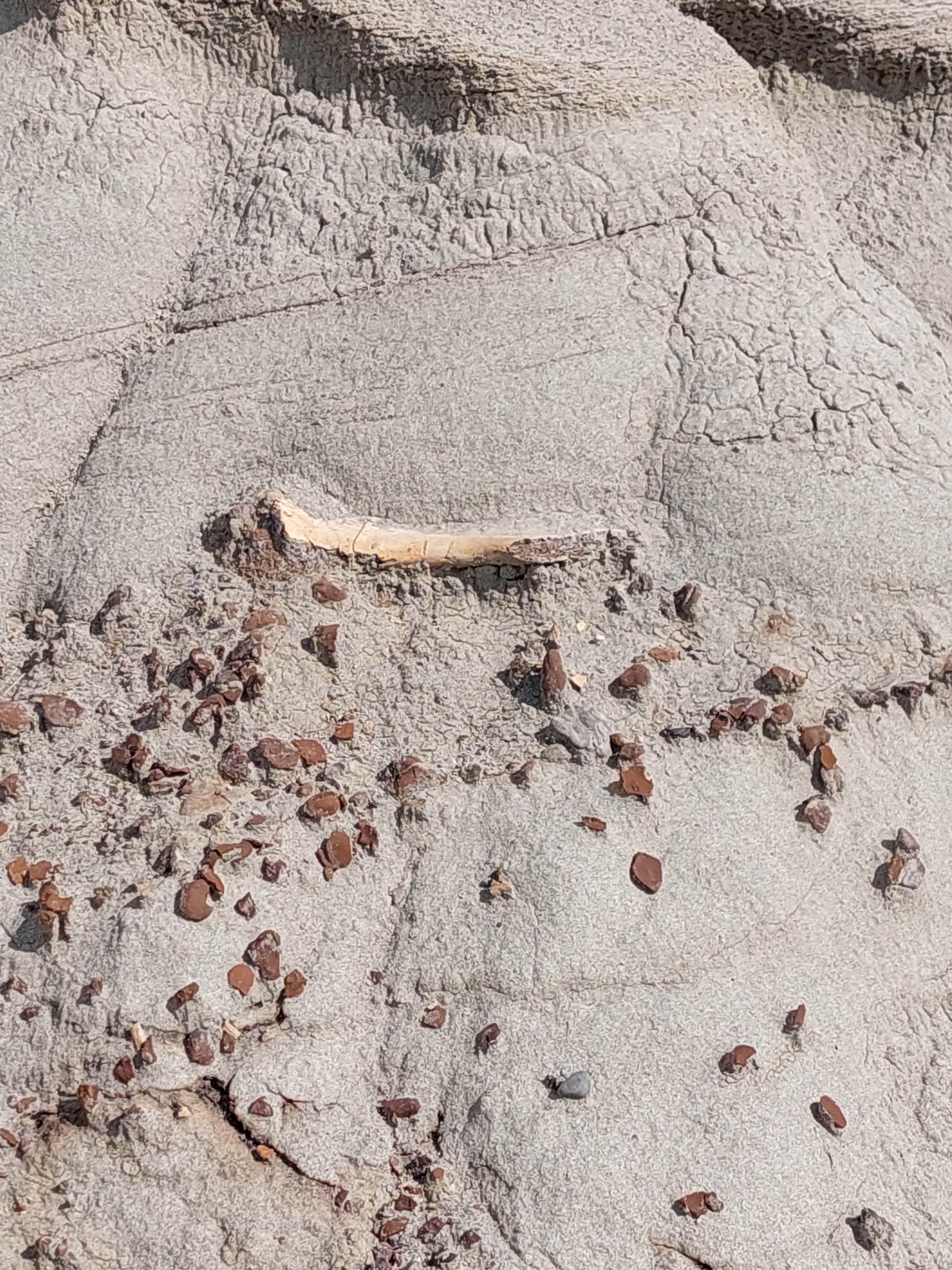
This weekend I left my beloved aspen parkland to make a visit to the Alberta Badlands. Here, I ignited campfires and reignited a love of geology that I thought had been left behind when I chose an unrelated career.
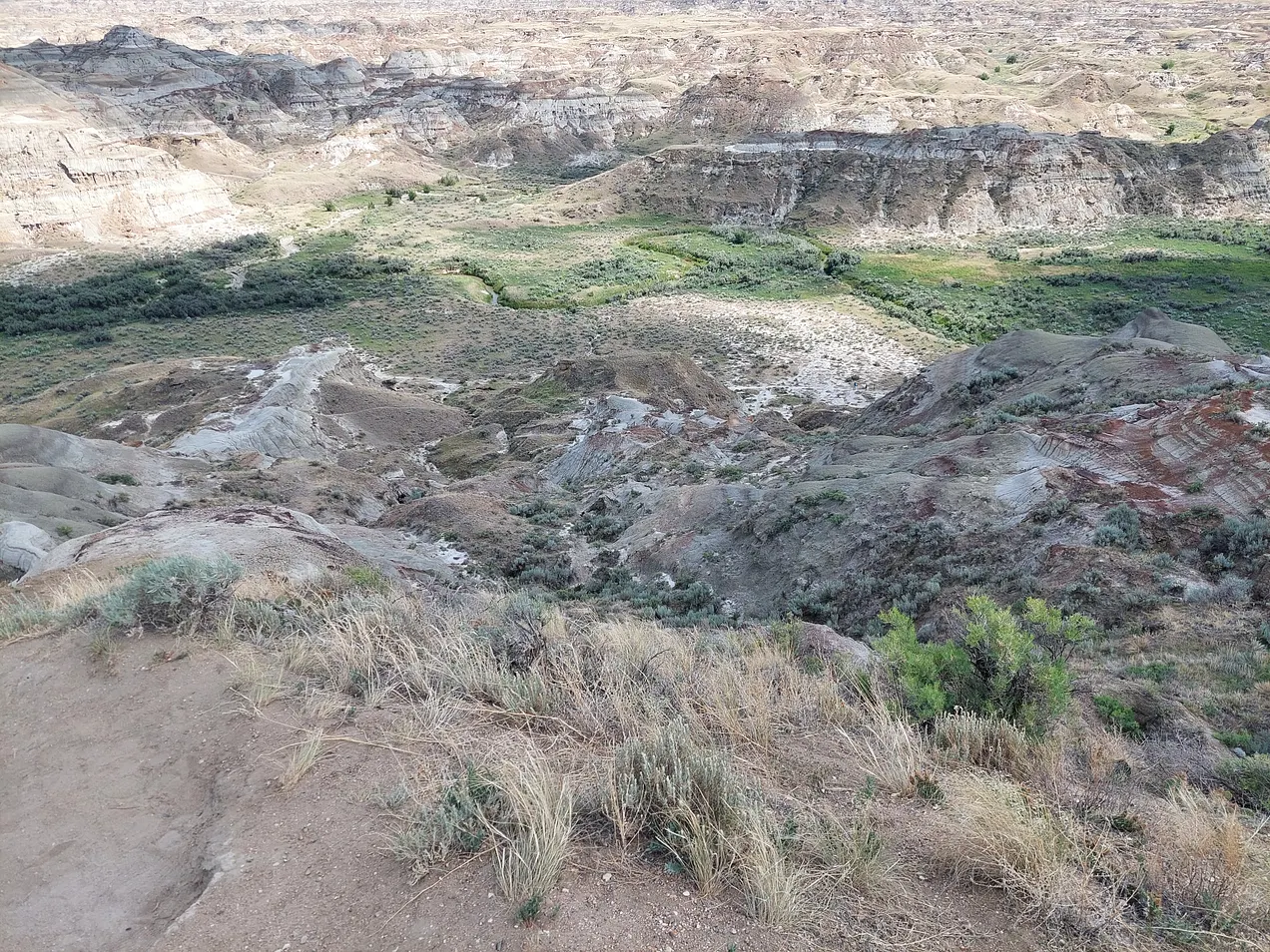
Dinosaur Provincial Park is home to one of the world's best fossil deposits from the Late Cretaceous. It is also home to far too many visitors, such as myself, trying to eke out a comfortable camping experience among the mosquitos. I am often drawn to southern Alberta by a romanticization of the wild west. The trip down was filled by daydreams about cattle drives and horse taming, train robberies and gold panning. Maybe an occasional atom bomb. Instead of sleeping under the open sky, I had my own covered wagon: a Ford Ranger with a salmon pink canopy. Her name is Diva and she treats me well. Though, she is a glutton for gasoline.
Poplar turned to wheat turned to sage, then the earth opened. Exposed rock engrossed me. No longer focusing on the road, I overwhelmed my traveling partner with everything I knew about the local geology. Much of this knowledge had been obtained throughout a high-school paleontology elective.
It was during this course that I completed my favourite school project. Each student in the class was assigned a type of fossilization to explain and replicate for the class. I was given the process considered to be the hardest to demonstrate, fossil carbonization. This is the process by which plant or animal remains are trapped in sediment and due to pressure and heat are degraded until all that is left is a carbon silhouette. This is a similar process to that which makes coal but on the scale of a single organism instead of a vast forest.
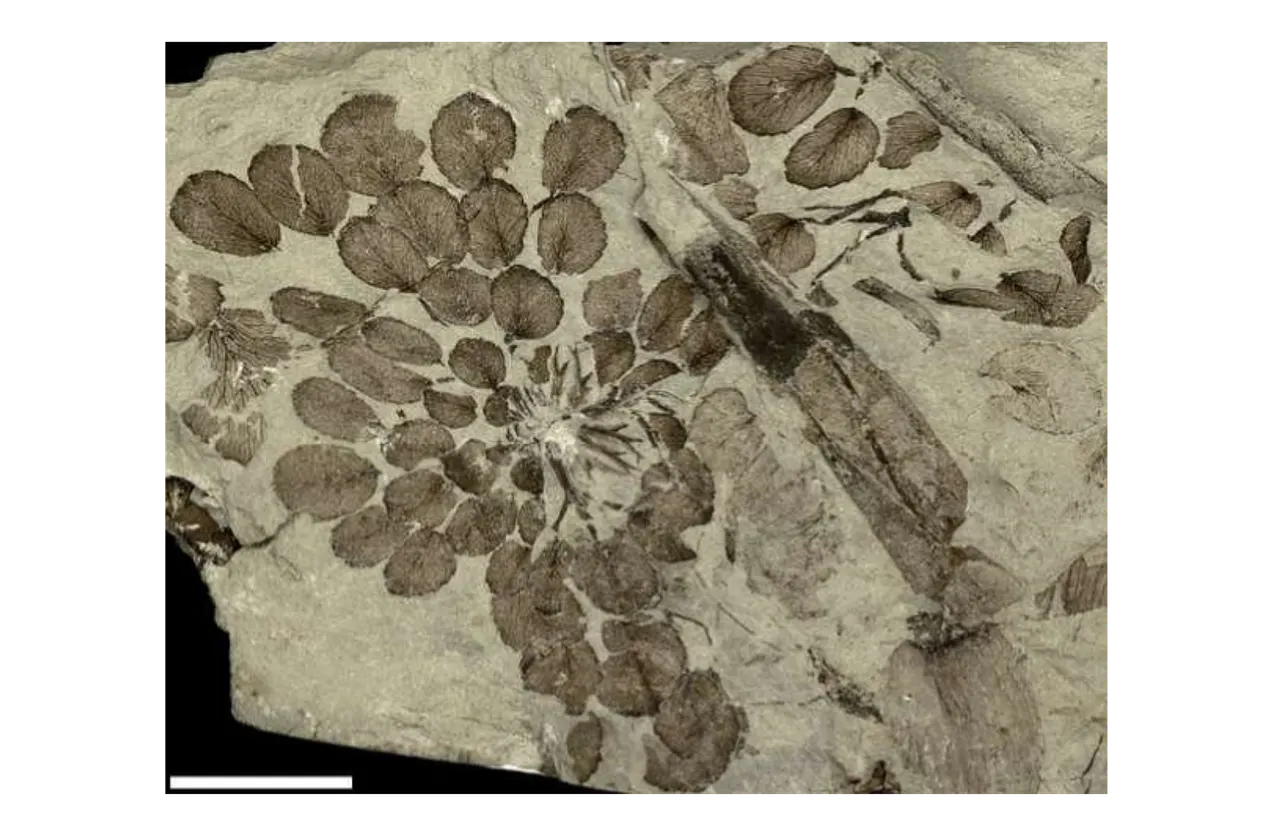
I sandwiched a leaf between a couple of steel plates that I had liberated from the school weld shop and showed the assembly to the class like a magician might show the crowd a card.
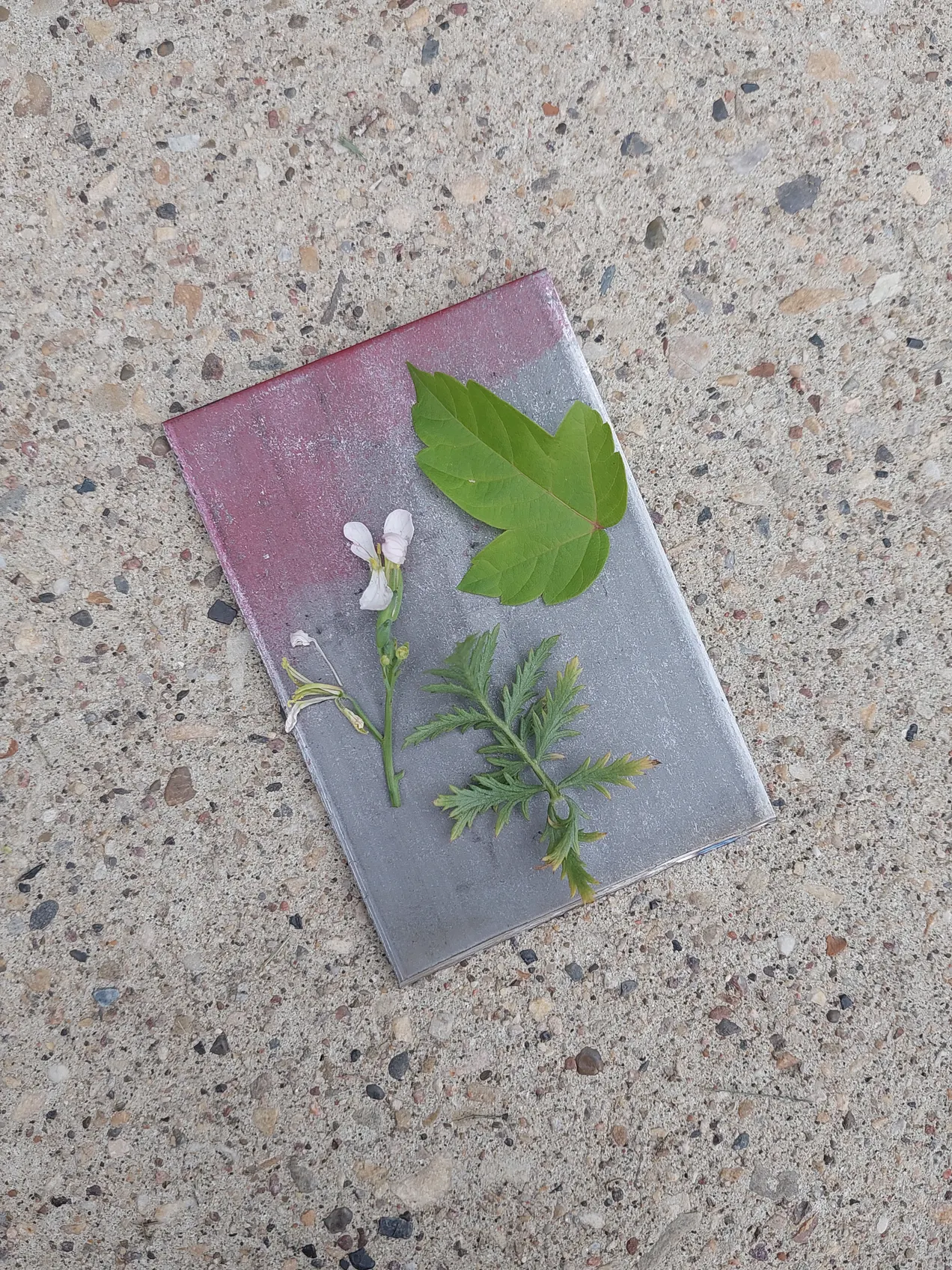
Then I applied pressure using multiple clamps.
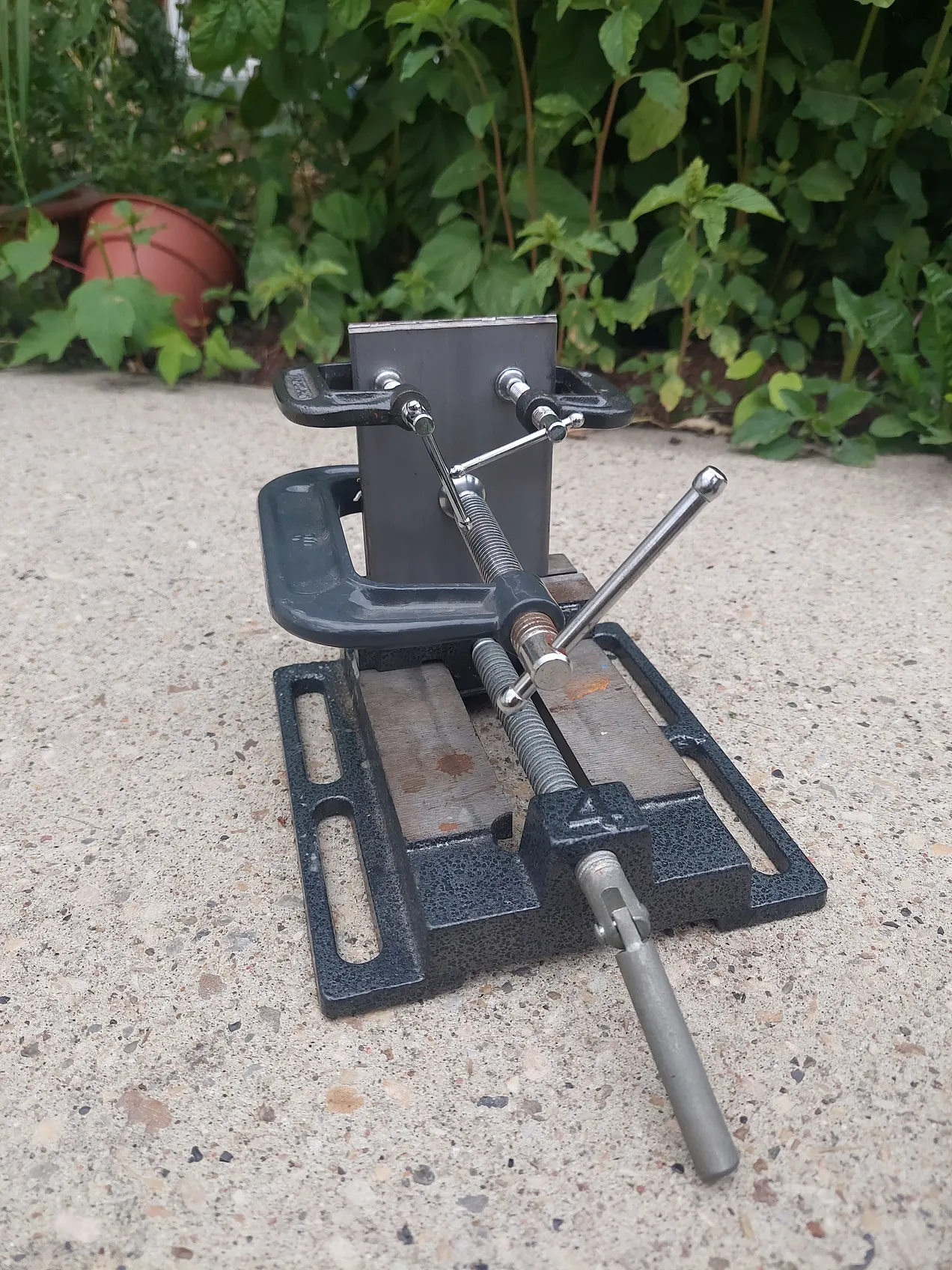
Then I took a blowtorch to it for several minutes while I explained the process of carbonization to the class.
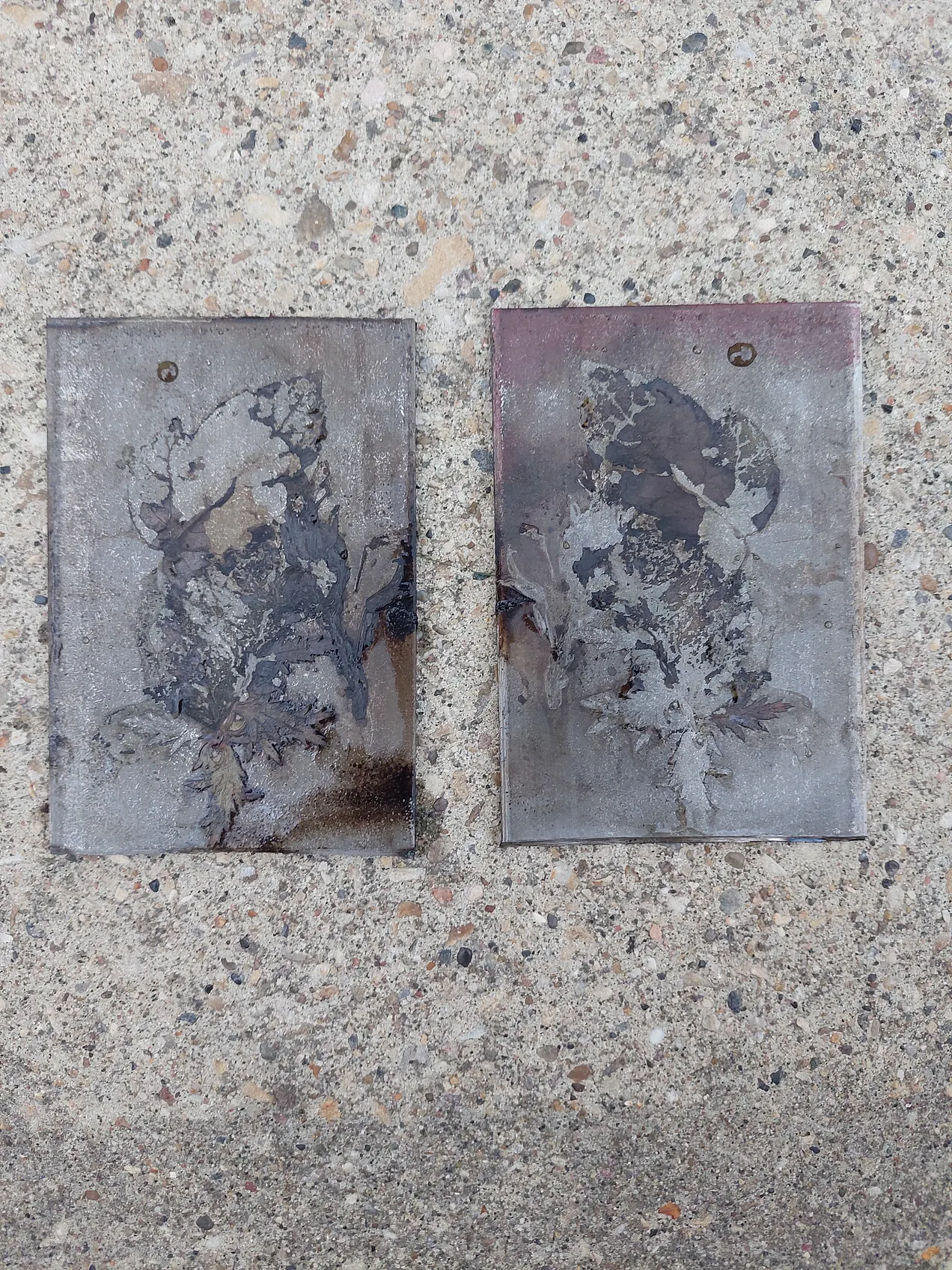
In this recreation of the demonstration, I was not patient enough and cracked open my simulation sediment before it was ready but I'm sure you get the idea.
Whenever I have the chance, I go and visit my beloved North Saskatchewan River. It's a nice reset when I grow tired of working in tall buildings. While exploring the banks I will often come across chunks of coal. They originate from long and thin seams that sit right above the waterline and stretch for kilometers. If you're canoeing, it sometimes feels like you're following the coal from cut bank to cut bank instead of the river. It's a pencil line guide, laid down for paddlers during the late Cretaceous when the area would have been a vast marshland.
I find it fascinating that these remnants of life from long ago are composed of the actual matter that made up the original lifeforms. If you were in Dinosaur Provincial Park, or the nearby Royal Tyrell Museum the specimens considered the most impressive and awe-inspiring, like Black Beauty are formed by processes such as permineralization that result in a fossil composed nearly entirely of material generated from the surrounding rock. I get most excited, however, when I'm looking at a carbonized fossil, or especially a fossil containing nacre. I'm stoked by the idea that I'm seeing the actual substance of an ancient species, even at a maximum of 6000 years old.
5/24/2023
This is an old one. Probably from around 2017-2018. Note: It didn't work.
I am colourblind. It's terrible. The government should give me money for my troubles.
In reality, the only burden is remembering the order of traffic lights and fielding questions about those glasses that are supposed to fix colourblindess. No, they don't work like in the videos.
When I go to the rock climbing gym, I always have to ask my friends to identify the colours of the holds for me while on the way up. Thanks guys<3
My condition is caused by a reduction in my ability to perceive short wavelength light. There are three types of colour-sensing cone cells in the human eye giving the following absorption graph.
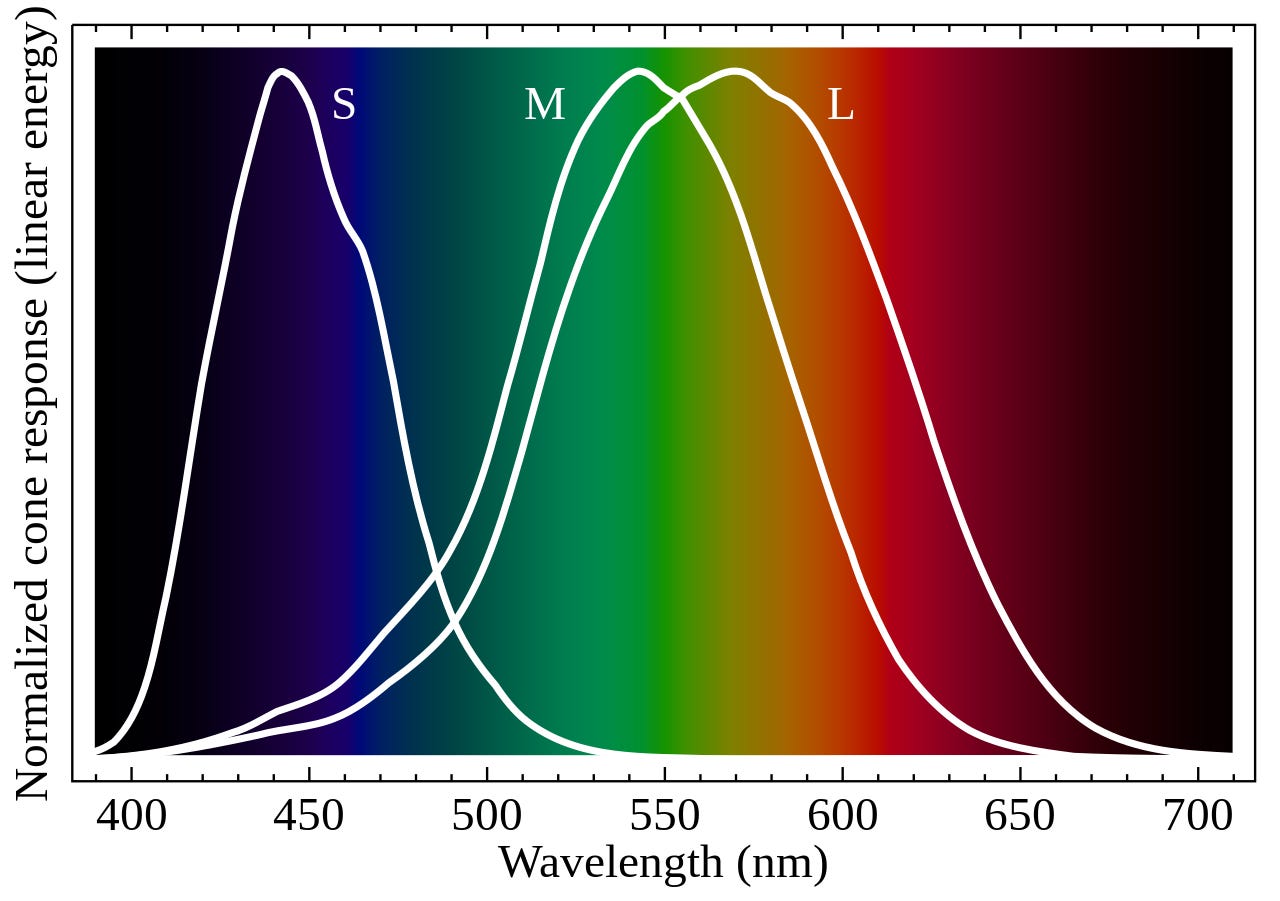
The eye absorbs light, the three cones produce an electrical signal according to the wavelength, the brain compares the signals, and colour is perceived. Sick. My brain takes in the data normally, but the signal coming in is wrong! So colour gets perceived incorrectly.
This initial idea was that if I could build some contraption that could measure the amount of light reflecting off an object roughly along the same ranges as our cones, it could identify colours better than I. Machine eyes- unhindered by the weakness of my flesh.
An element I employed in many of my early electronics projects was a photo resistor. This component decreases in resistance according to the amount of light it absorbs. In the ninth grade, I biked to school wearing a helmet with one mounted on top. When I entered sunlight, a servo would bring down a pair of sunglasses in front of my eyes. With a series of coloured filters, I could use one photoresistor to simulate the different colour responses of the different cones. An Arduino was then used to turn the different resistances into usable data. Apart from those two pieces, the rest of the project was trash. Like, from the garbage can.
Before they reached the sensor. I needed to filter all but the subtractive primary colours. Like a printer. They would leave the frequencies of light that I was looking to measure and compare. HyperPhysics has a great explanation here.
I made an enclosure from a Captain Crunch box that I painted black. An object would be placed inside with the door latched by an elastic band. Light from white LEDs would then reflect off the object, through a filter and into the photoresistor. There was a mechanism inside to change the active filter so that another measurement may be taken.
The light wasn't bright enough, too much light bled in everywhere, and my sensor wasn't picking up anything.
I ended up tossing the machine without taking another stab at it. There is absolutely a place for recycled materials in my projects but I have come to learn that without adequate planning to compensate, if I build something entirely from trash, it will be no greater than the sum of it's parts.
5/19/2023
The first project I will document is the website itself. The goal was to host the website on some kind of home server instead of home server instead of using a third party host like Wix or Squarespace. I abhor the homogenization of the internet brought about by massively popular social media companies.
That is not to say that I am against computers. I spend most of my day on them. I luv computers. Beep Boop. I just want to be more intentional about the way that I use the internet.
The first time I got this website up it was hosted on a Raspberry Pi that I tucked behind my parents router. It is now hosted on a school Chromebook that I picked up on Facebook Marketplace for $60. Everything about this project is currently very ephemeral. I had to fight guides linking to 404 pages and dead Linux mirrors to get us here and this page will vanish the next time I kick the power adapter under my desk.
As a child I would constantly be warned that the internet is forever. Once you upload something, anyone could see it and no internet lumberjack could cut it down. This is inaccurate. Information on the public internet only lasts as long as someone is willing to keep it up out of interest or profit. I've never seen a Myspace page, my Webkinz have been euthanized, and my Club Penguin igloo has been condemned.
Even for the personal information still publicly available, who's looking for it? Maybe this is wishful thinking, but I don t think anybody is going to be digging up the embarrassing Instagram meme page I ran in sixth grade. Does anyone remember Bagel Boss? I don't. Who's that?
Anyway
Welcome to KieranJ.ca